Places
Places to Visit in Tana Toraja
Burial sites, villages, viewpoints and markets, with what to expect and how to visit respectfully.
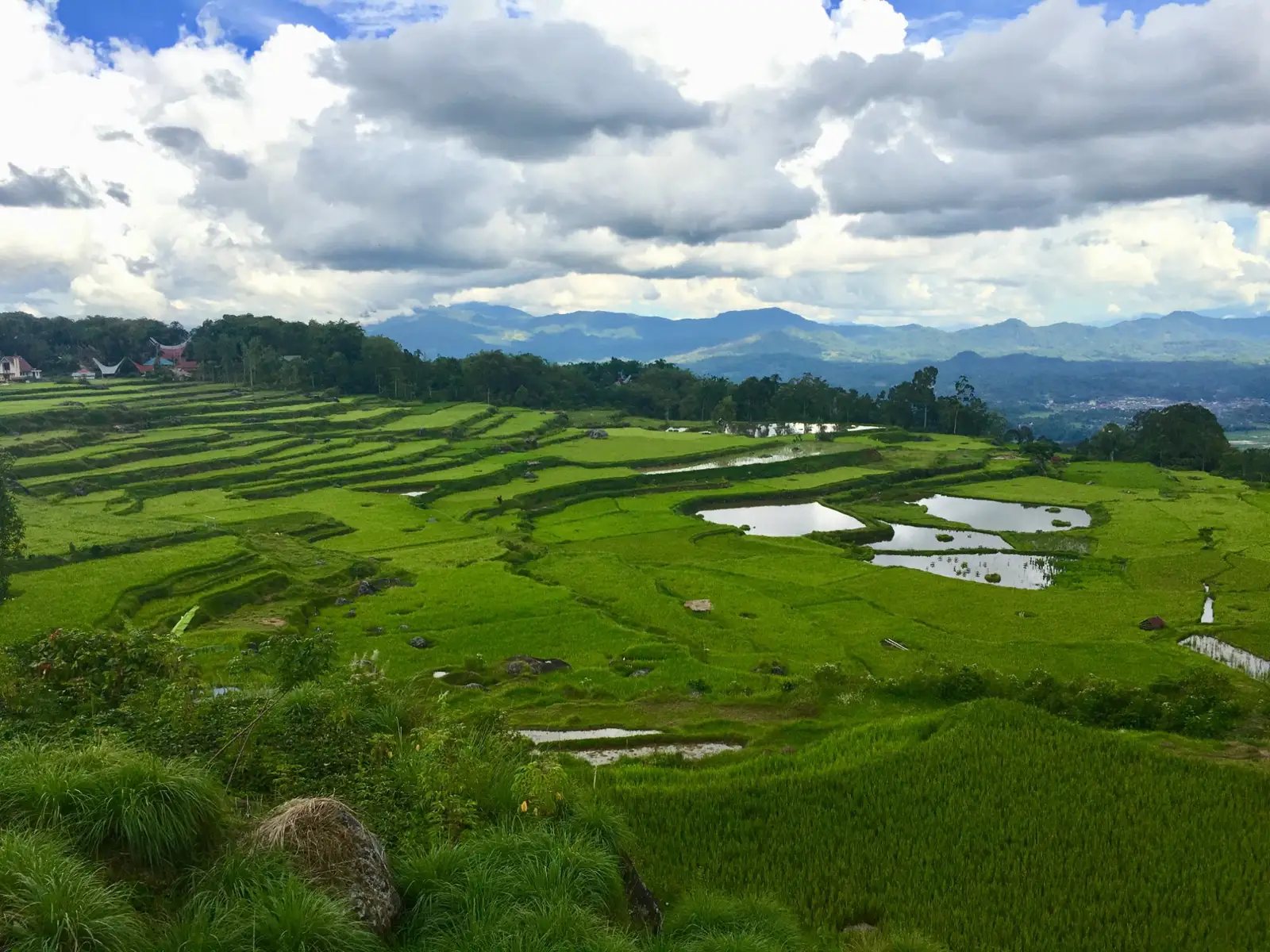
Batutumonga: rice terraces on the slopes of Mount Sesean
A settlement on the southern slope of Toraja's highest mountain, registered in the national tourism system, with terraced rice fields falling away toward Rantepao.
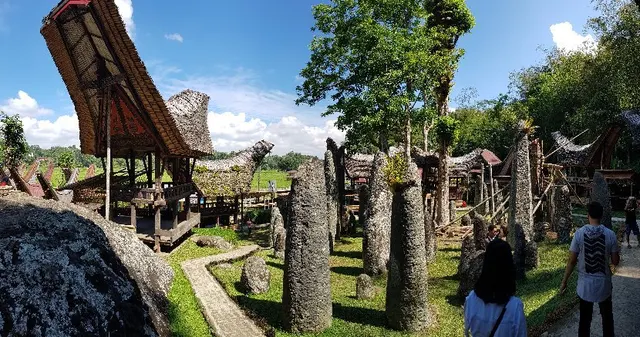
Bori' Parinding: a Toraja ceremonial ground in stone
The standing stones at Bori' Parinding record ceremonies held by people, not an anonymous ancient monument. Burial and family compounds surround the rante.
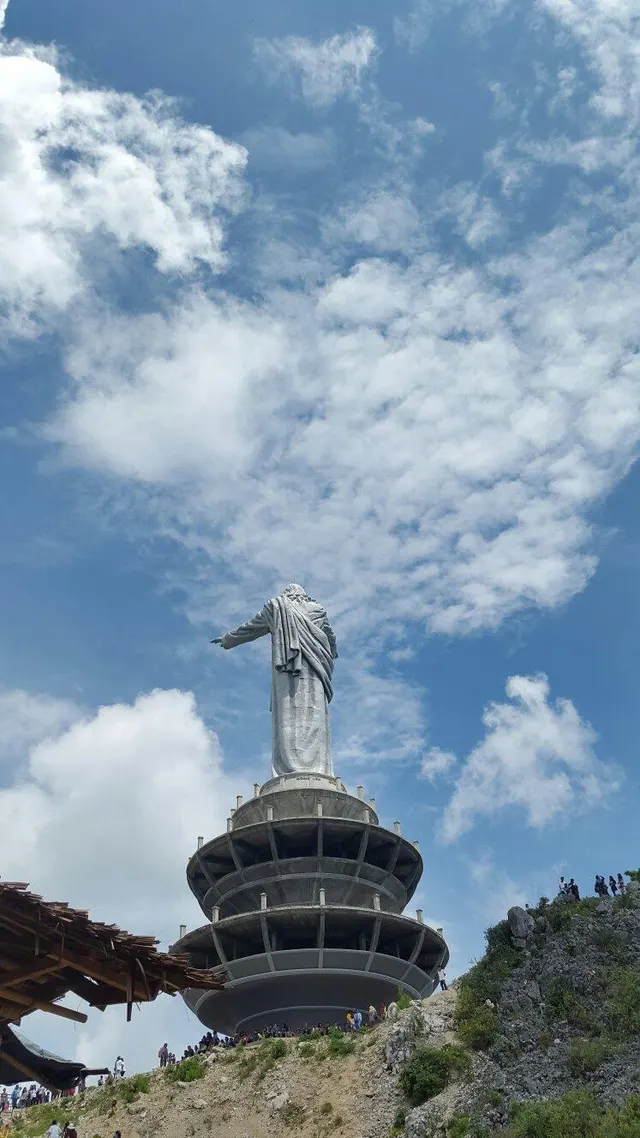
Buntu Burake: the hilltop Christ statue above Makale
A modern religious monument and viewpoint above Makale, and the clearest single piece of evidence that Toraja is overwhelmingly Christian.
Buntu Pune and Rante Karassik: a settlement split in two
Two halves of one settlement, a house compound and its ceremonial ground, kept in the same nomination even though a growing town now sits between them.
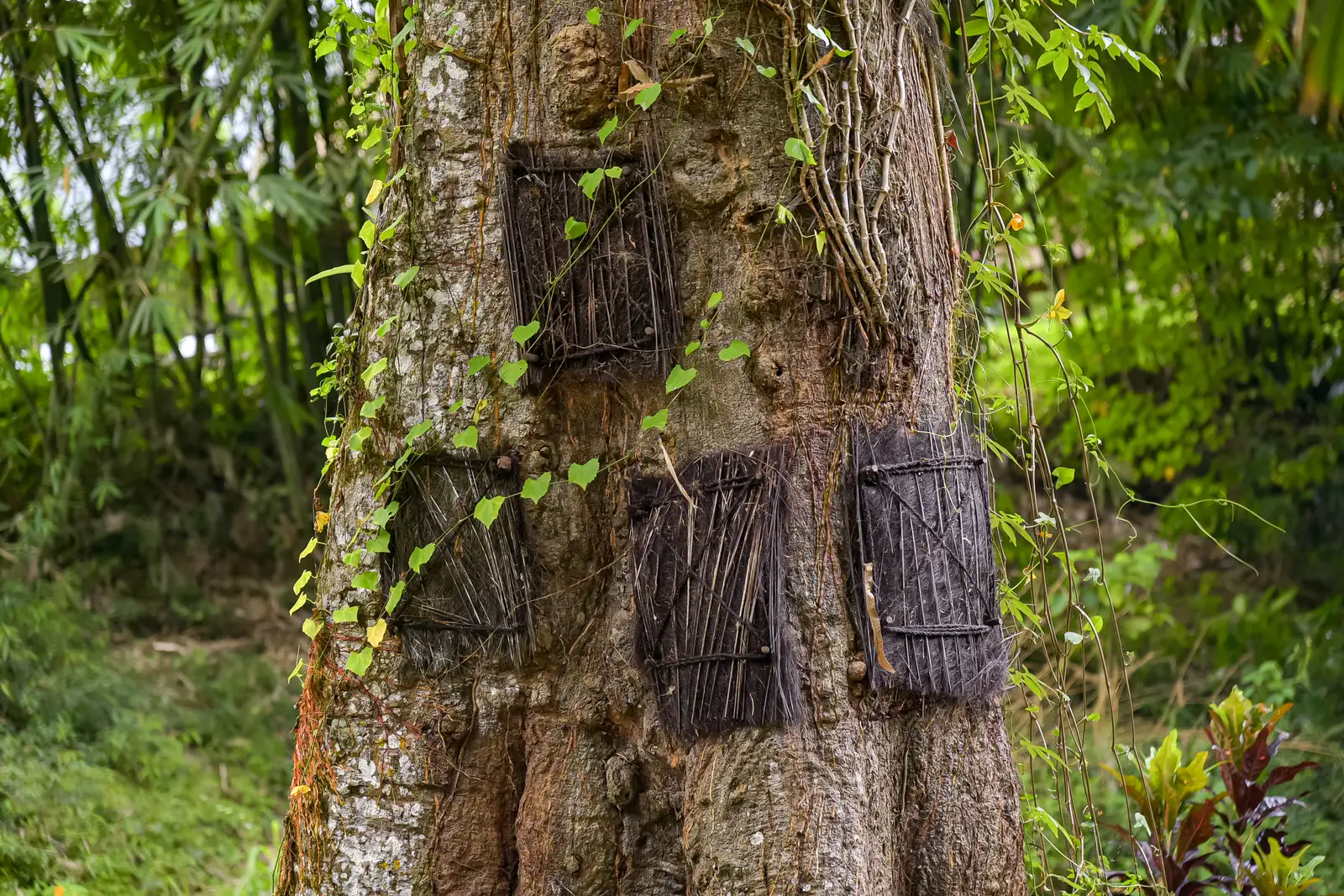
Kambira: infant burials in a living tree
A burial place for infants who died before their first teeth came through, understood as returning a child to the womb rather than laying them in the ground.
Kande Api: a nominated site that is quietly changing
One of the ten nominated Torajan settlements, and the one where the tension between preservation and use has been documented most closely.
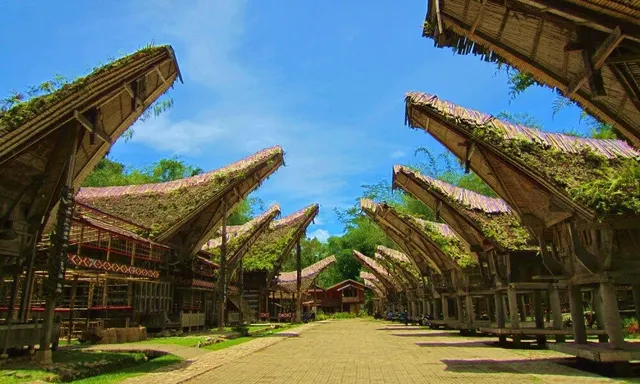
Ke'te Kesu': a complete Toraja settlement landscape
Ke'te Kesu' is documented as more than a row of tongkonan. Houses, granaries, burial, ceremony and worked land form one settlement landscape.
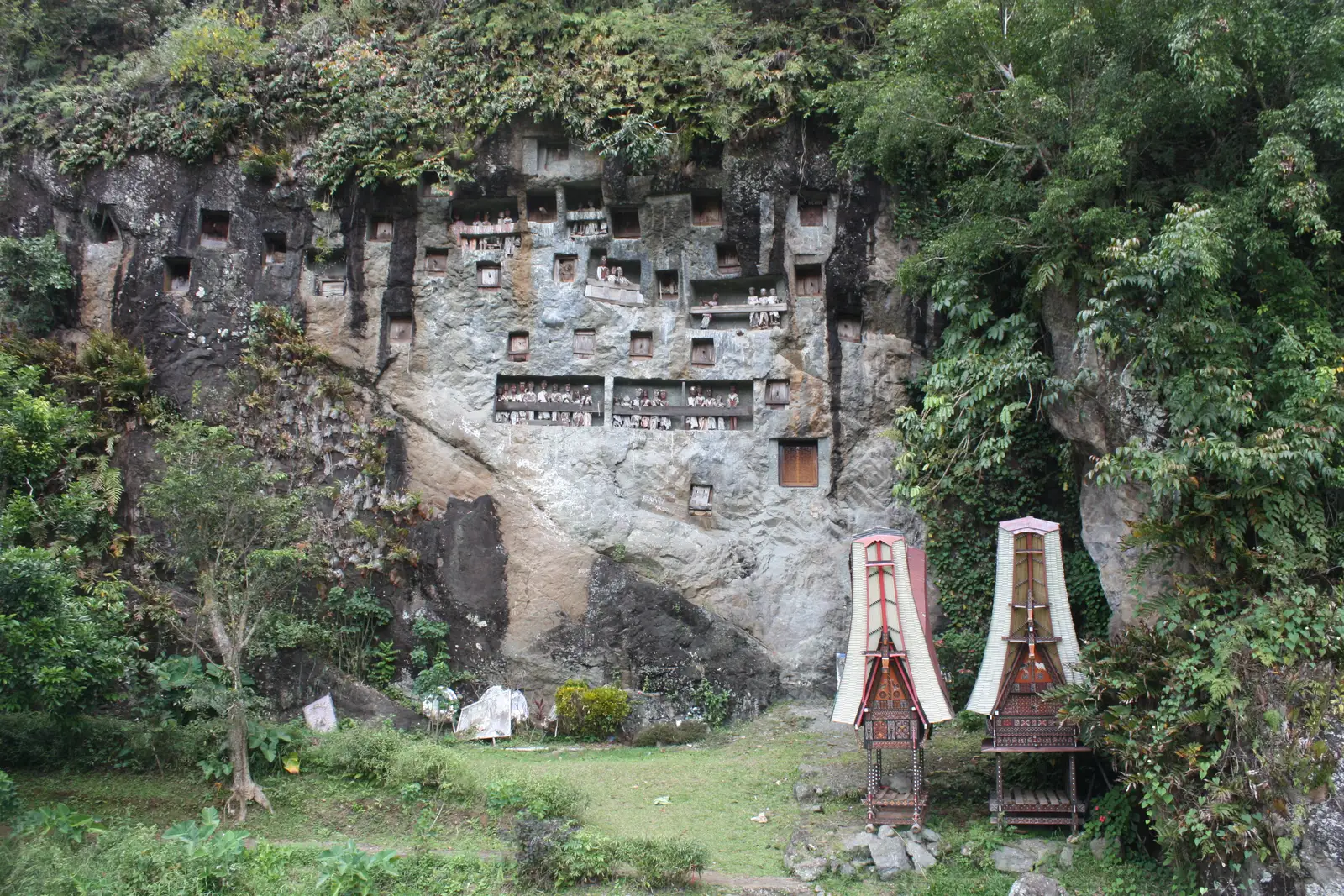
Lemo: cliff graves and ancestor effigies in Toraja
Lemo's cliff chambers and tau-tau are connected in the UNESCO nomination to a nearby house and granary compound, not presented as an isolated facade.
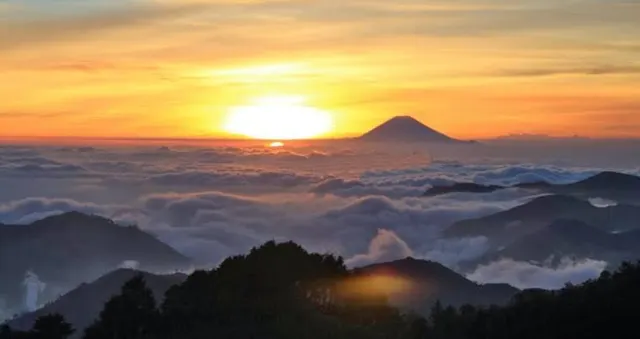
Lolai: the cloud layer above the Toraja valleys
A ridge north of Rantepao where morning cloud collects in the valley below, best before about half past seven, after which it stops holding its shape.
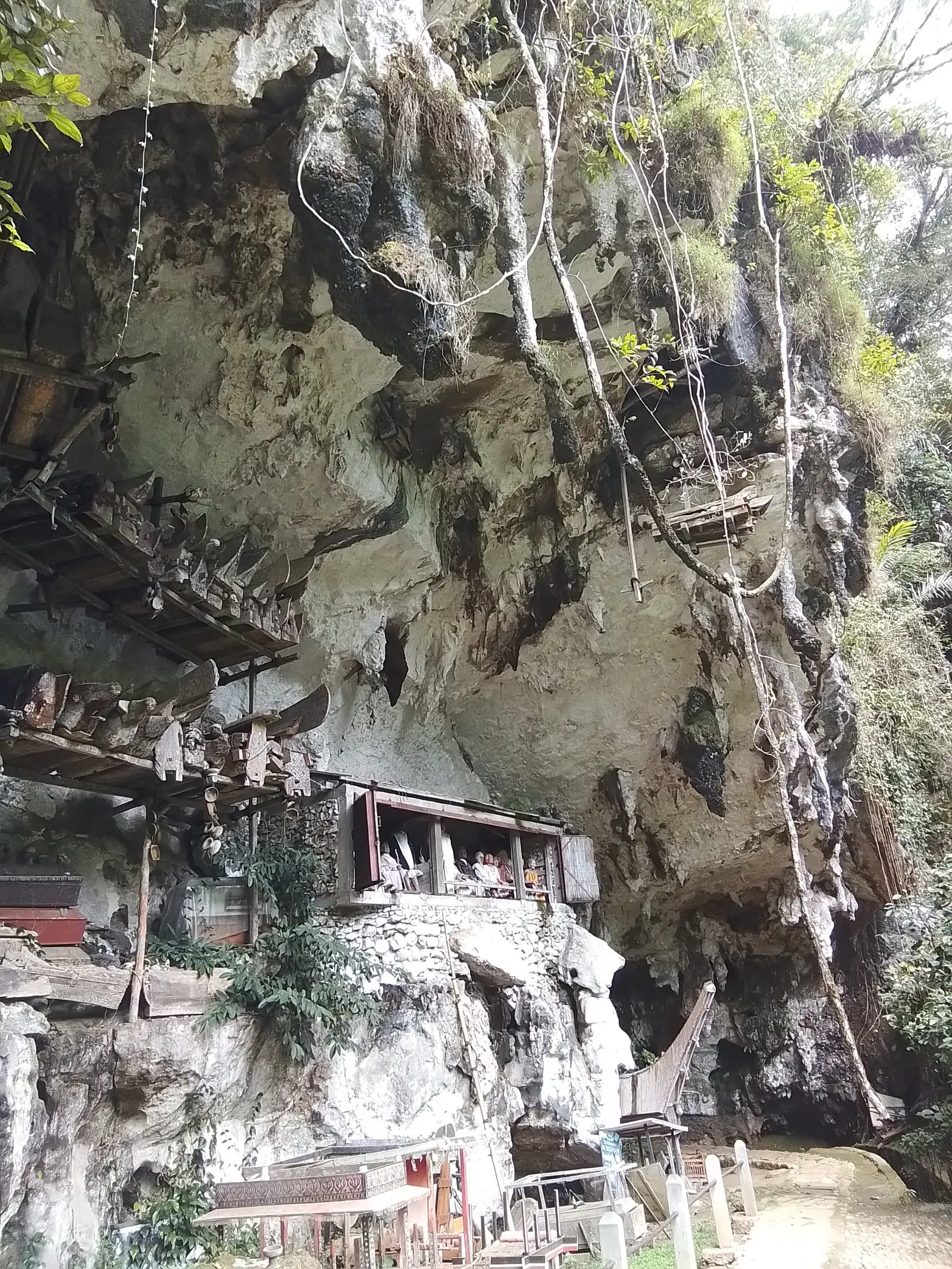
Londa: a Toraja cliff and cave burial site
Londa combines cave and cliff burial settings in one family landscape. UNESCO's description is specific, but it is not a licence to treat graves as displays.
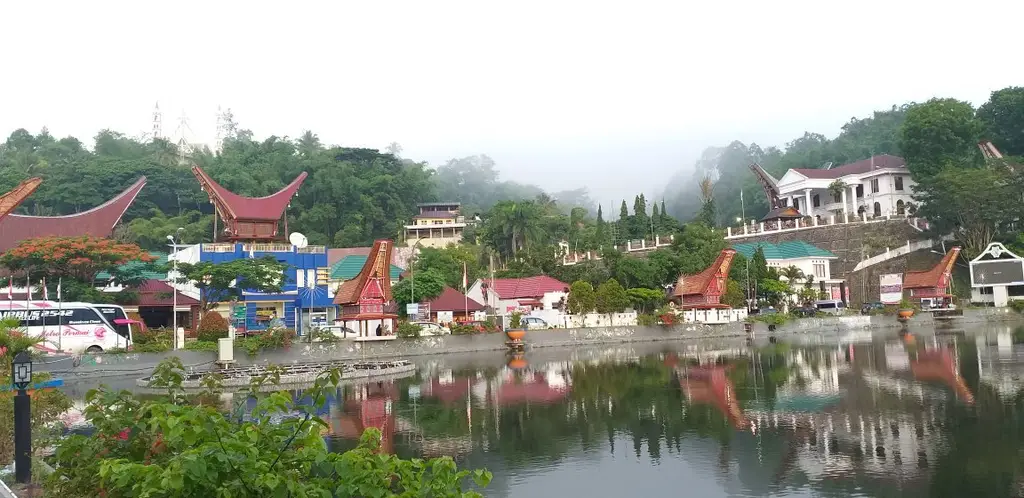
Makale: the lake, the monument and the southern base
The quieter of Toraja's two regency towns, arranged around a lake, and the better base for anyone whose interest sits in the southern half of the highlands.
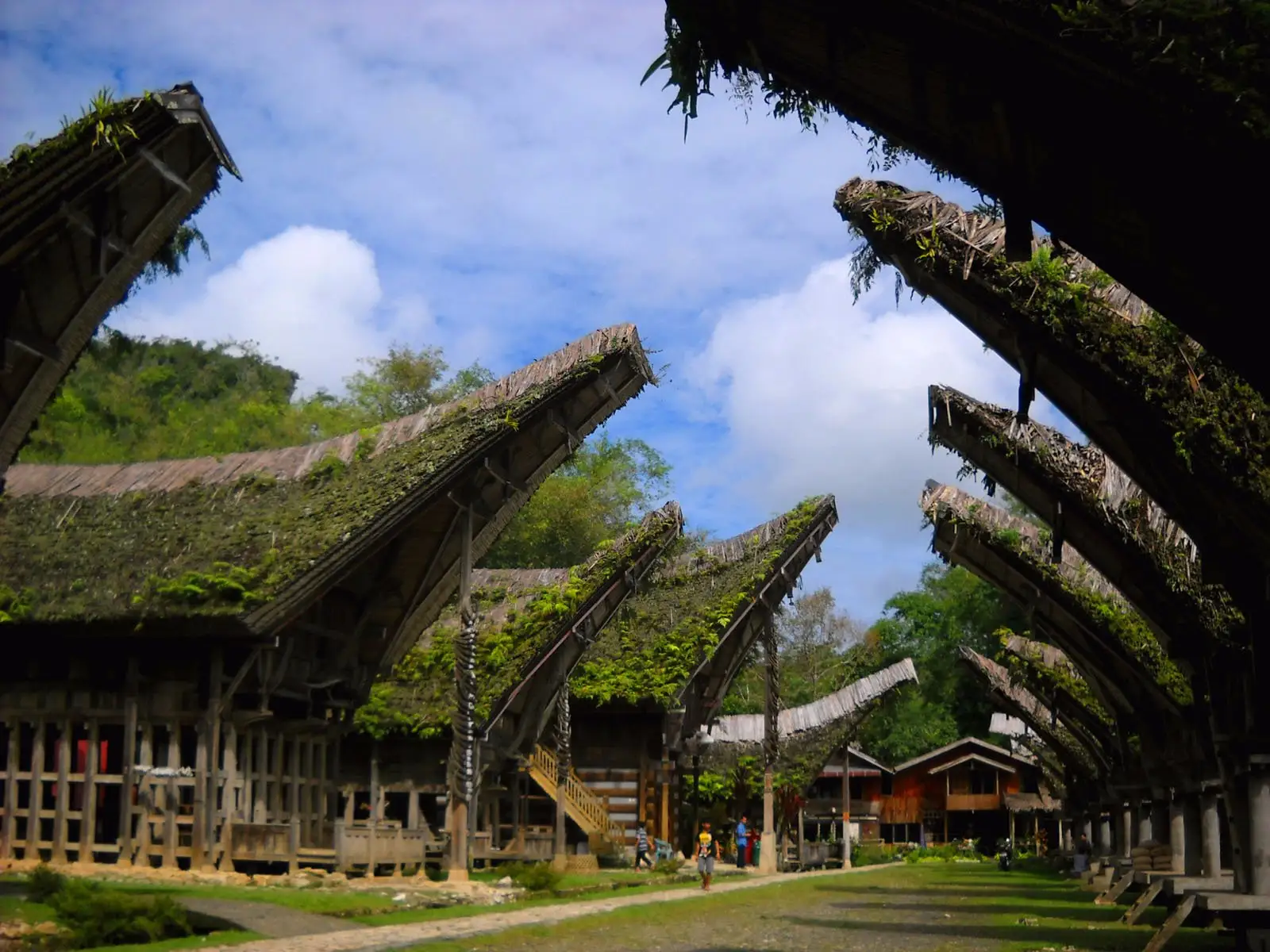
Nanggala: houses, granaries and family gathering space
At Nanggala, UNESCO's nomination connects a house and granary compound with family gathering space, a ceremonial ground and burial.
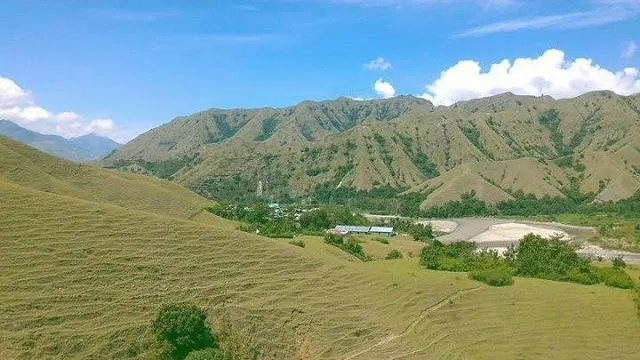
Ollon: grass hills and a river valley in Bonggakaradeng
Open grazing hills and a river, in a district far enough from the highland circuit that reaching it is a decision rather than a detour.
Pala' Toke': a burial hill above the rice fields
A nominated burial place that almost nothing has been written about, which is itself worth knowing before you decide whether to look for it.
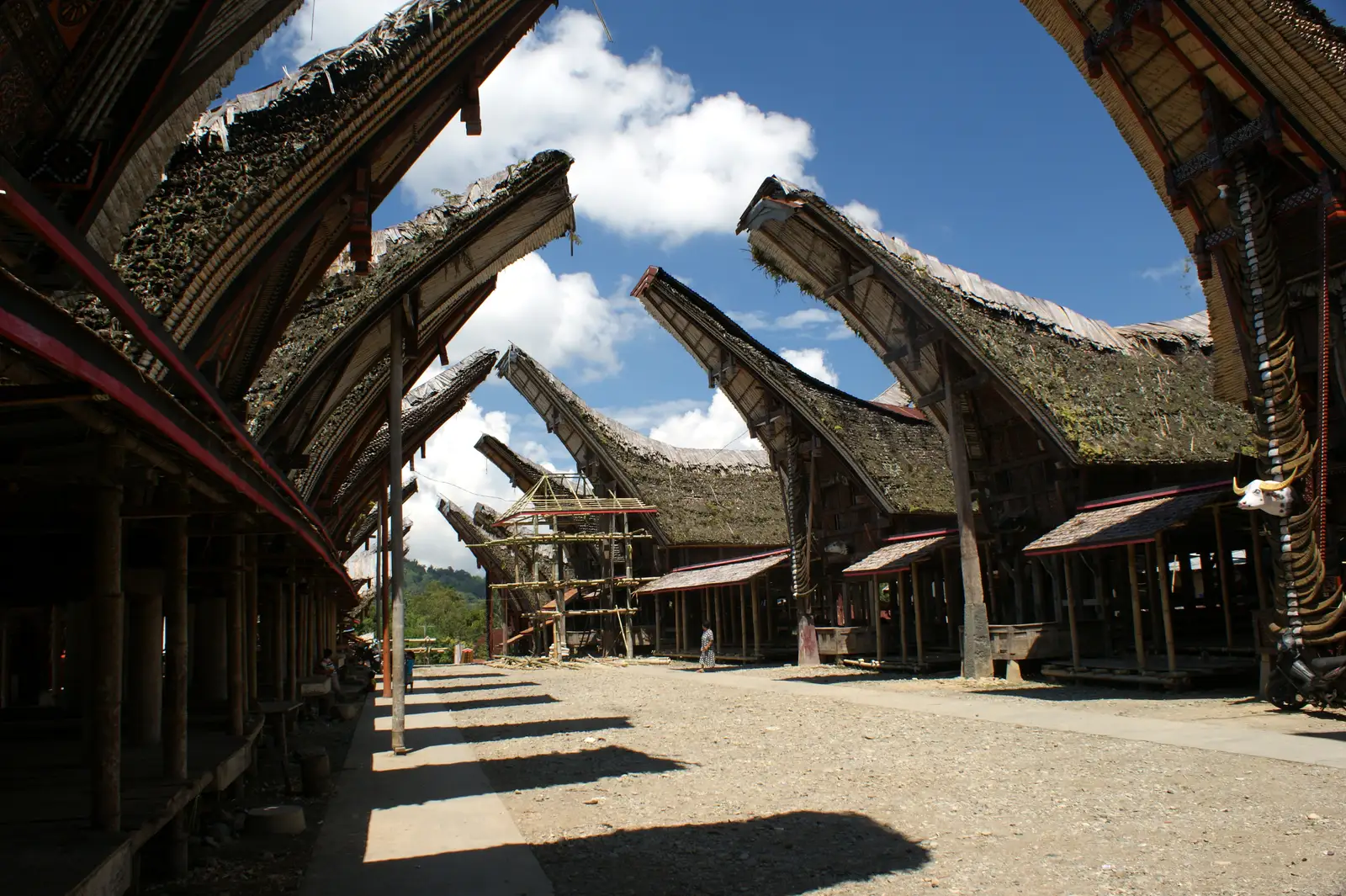
Pallawa: a Toraja house and granary compound
Pallawa's facing houses and granaries form a documented compound, with a ceremonial ground beyond it. The UNESCO spelling uses two l characters.
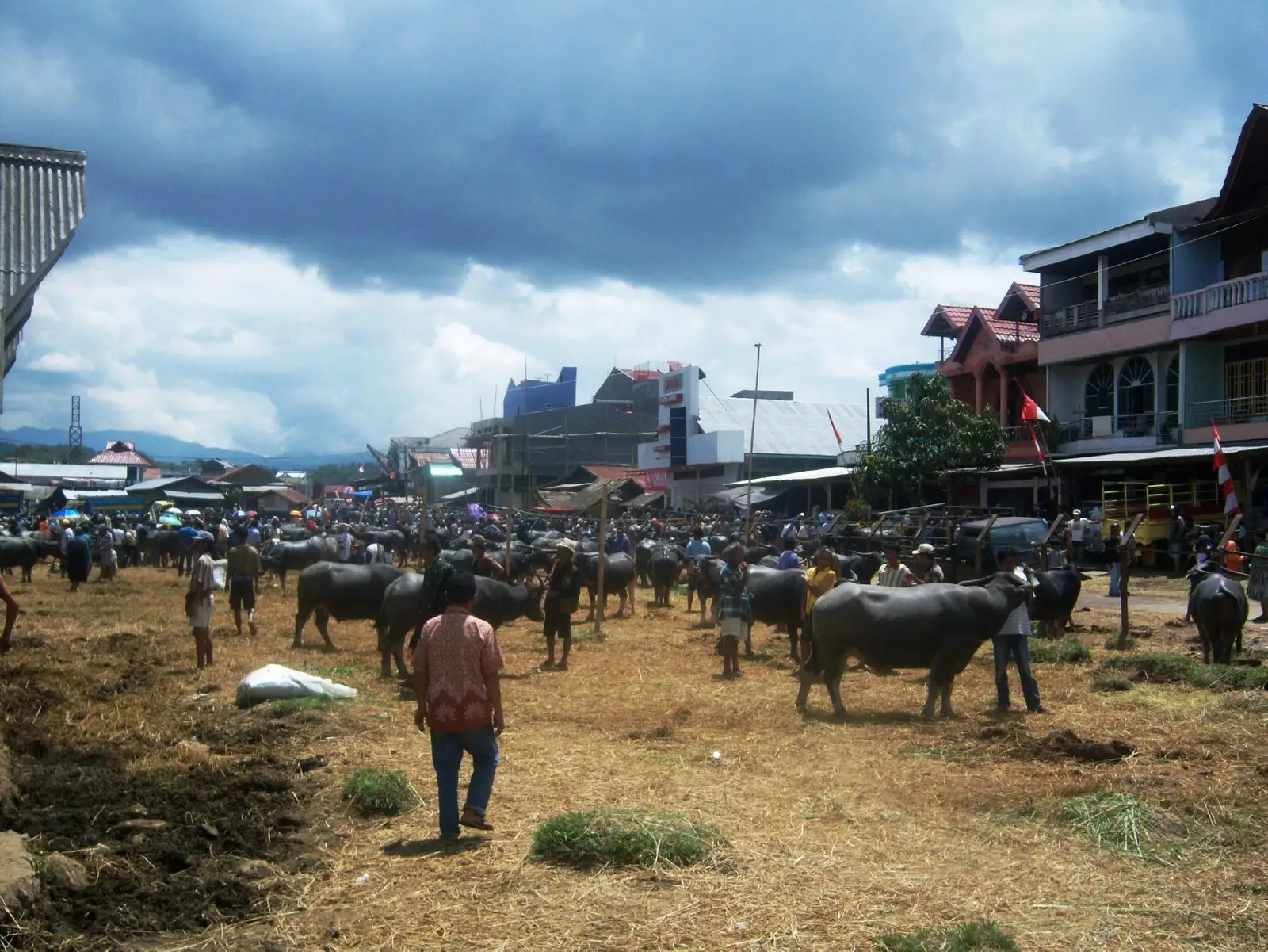
Pasar Bolu: the livestock market at Rantepao
The market where families buy the animals a funeral requires, which makes it the place where the economics of rambu solo' become visible.
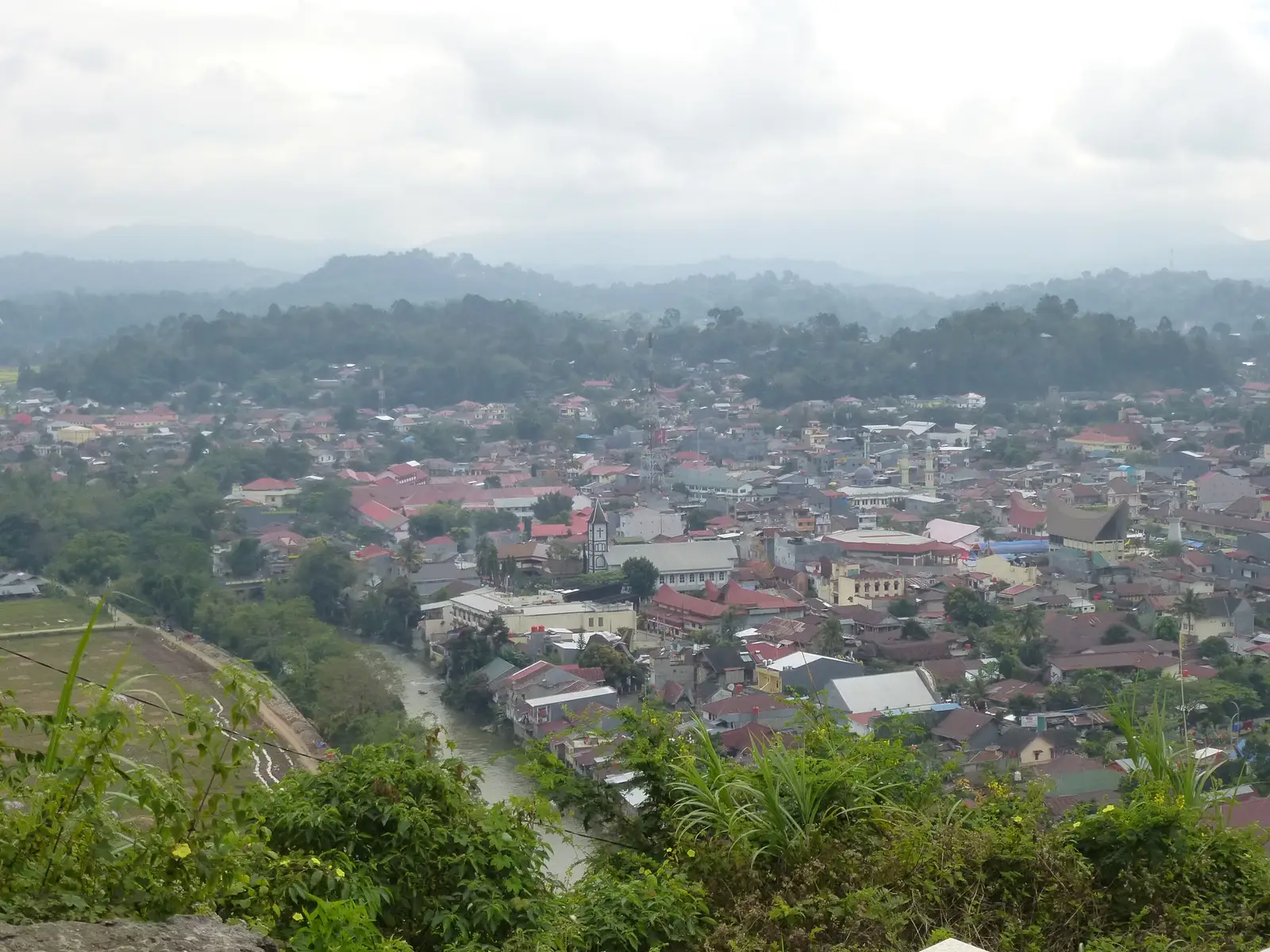
Rantepao: the town most visitors use as a base
The regency seat, the seat of the Toraja Church, and the practical centre of gravity for anyone spending more than a day in the highlands.
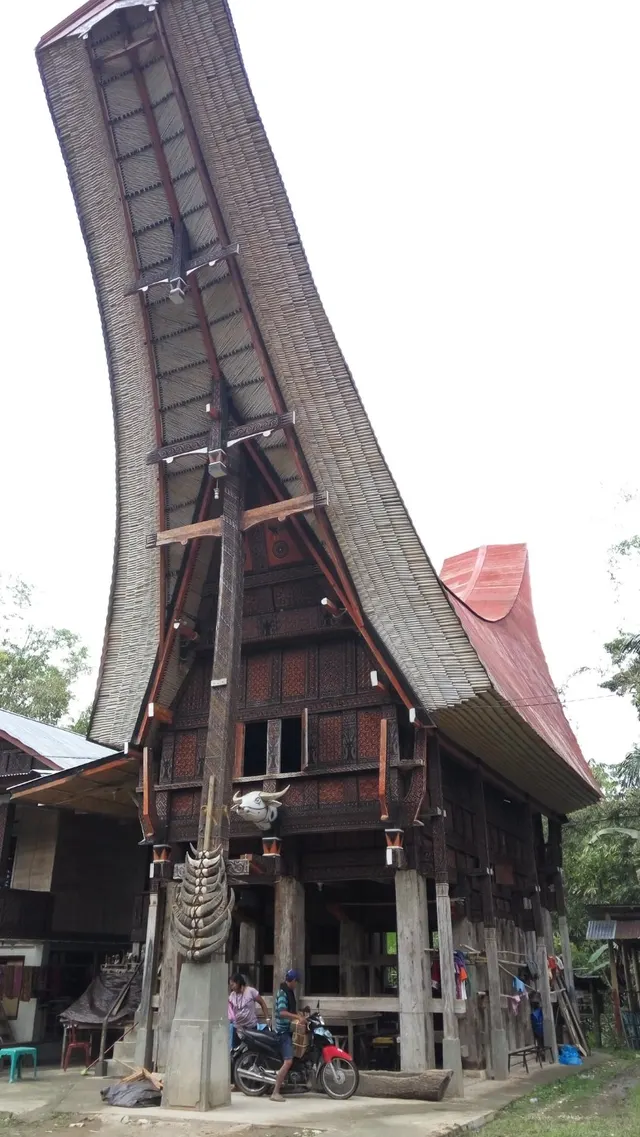
Sangalla': the old kingdom and the Buntu Kalando museum
One of the old Torajan domains, and the only place in the highlands where a former ruler's residence has become a registered museum.
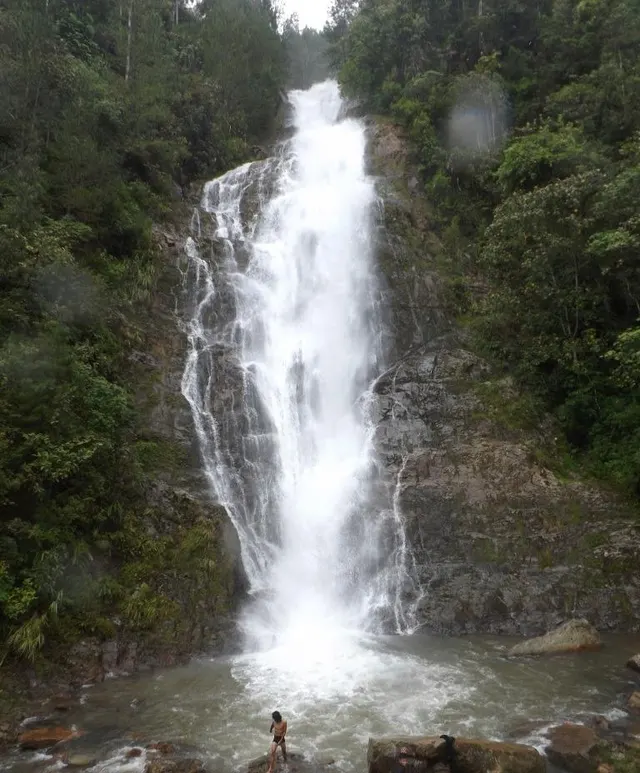
Sarambu Assing: a waterfall in Bittuang district
A waterfall in the pine country west of Makale, reached on foot, and routinely confused with a different waterfall of a similar name in the neighbouring regency.
Tumakke: the tongkonan with a roof of stone
The single known Torajan house roofed in stone rather than split bamboo, in a district most visitors never reach.


